ROOTED HERE
The history of Danbury
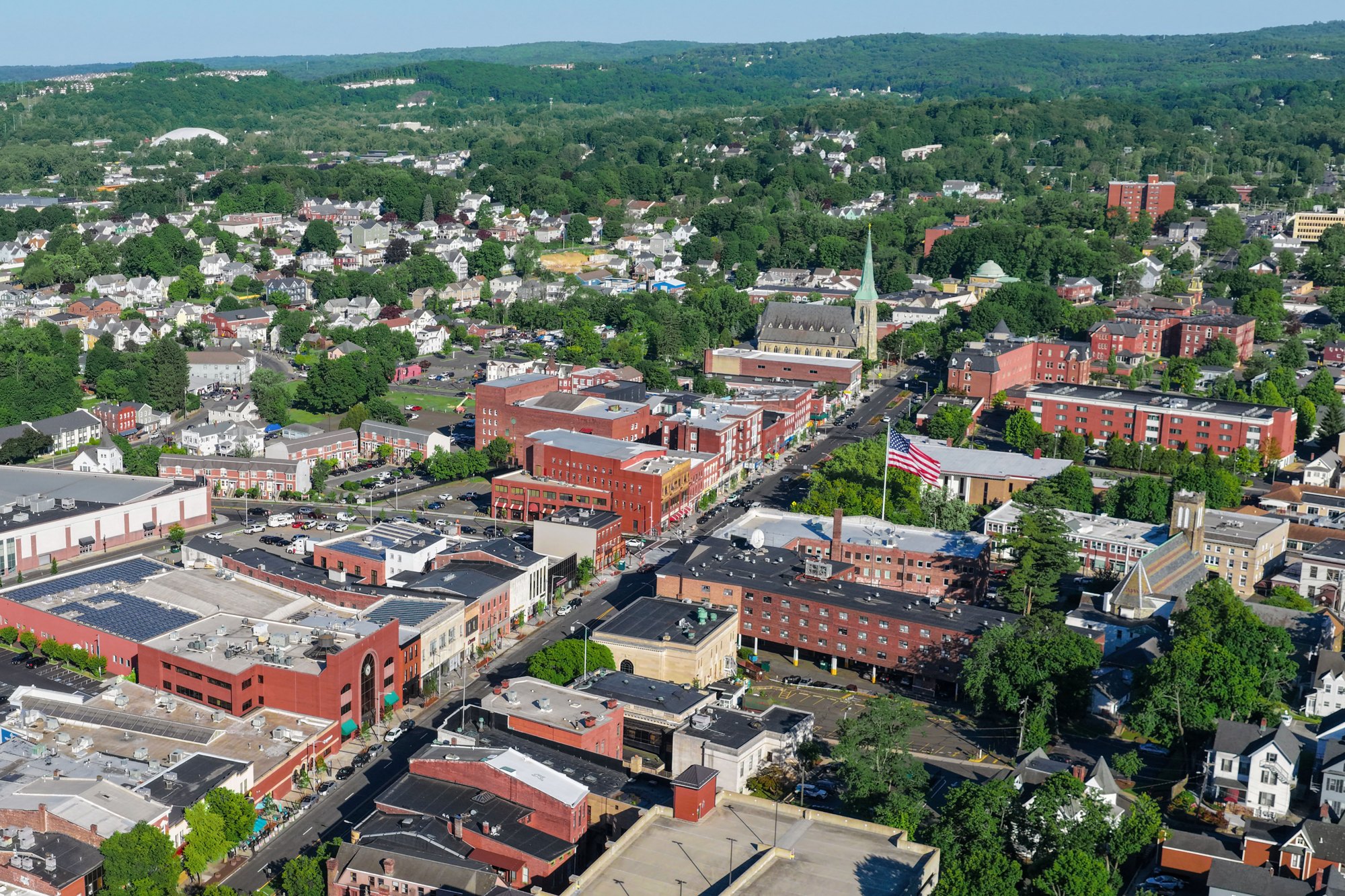
Danbury’s hatmaking history and Main Street give a starting point for exploring the city. Local restaurants, the university and public spaces around Tarrywile and Candlewood Lake add different plans beyond downtown.
People who shaped Danbury
These milestones are an introduction, not a complete local history. Follow the linked city and museum sources to explore the people and places behind them.Read the local historical account.
Watch the city’s history

FROM THE ARCHIVES
Historical Danbury, CT
A local student-produced overview traces Danbury's settlement, hat-making history, landmarks and 1955 flooding with the Danbury Historical Society's executive director.
Watch on YouTube ↗
FROM THE ARCHIVES
Why Danbury? The History Behind the Raid
Revolutionary War historian Robert Young explains for the Danbury Museum why the British targeted Danbury.
Watch on YouTube ↗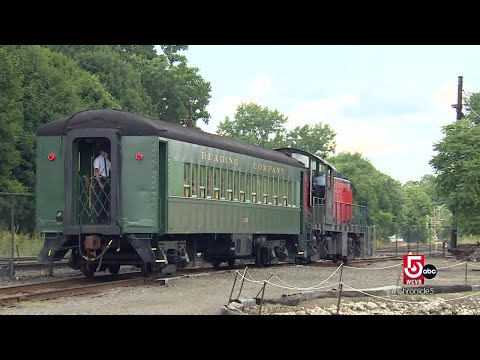
FROM THE ARCHIVES
Danbury on Chronicle
WCVB’s Chronicle explores Danbury’s Revolutionary War history and railway heritage.
Watch on YouTube ↗
FROM THE ARCHIVES
Danbury: A Tip of the Hat
A short documentary on the rise and fall of the hat industry that made Danbury the Hat City, told through archive photos and interviews with people who remember the factories.
Watch on YouTube ↗Famous people born in Danbury
See all 48 famous people


- 1687–1702
Naming a town
The settlement on the Still River was named Danbury in 1687 and incorporated in 1702. Early on it was nicknamed Beantown for the quality of the beans it grew.
Connecticut Humanities: ConnecticutHistory.org ↗ - 1777
The British raid
British troops entered Danbury on April 26 to destroy Continental Army supplies. As they withdrew the following morning, they burned stores and buildings, leaving a lasting mark on the town.
Danbury Museum and Historical Society ↗ - Around 1780
Hatmaking begins to grow
Zadoc Benedict opened a hatmaking shop around 1780. The museum distinguishes local folklore about his discovery of felt from the documented rise of an industry supported by water and other natural resources.
Danbury Museum and Historical Society ↗ - 1860–1869
Water supply and disaster
The Kohanza Reservoir was built in 1860. Its failure in January 1869 sent water and ice through the community, killing eleven people and destroying homes, bridges and factories.
Danbury Museum and Historical Society ↗ - 1869
The Danbury Fair
Hat manufacturers Rundle and White organized a pleasure park, and a new farmers and manufacturers society held a fair there that October with a record 900 entries. As its fame spread, the fair drew huge audiences.
Danbury Museum ↗ - 1887
An industrial hat city
Thirty factories were producing about five million hats each year. Hatmaking shaped Danbury's workforce and identity, though labor disputes and changing fashions later weakened the industry.
Danbury Museum and Historical Society ↗ - 1889
A city charter
Danbury was chartered as a city in 1889. By then it was known as Hat City, the center of America’s hat production.
Connecticut Humanities: ConnecticutHistory.org ↗ - 1910
A city of newcomers
Immigrants from Ireland and Germany, and later Italy, Sweden and Hungary, came to work in hatting and related businesses. By 1910 most people living in Danbury came from other countries.
Danbury Museum ↗ - 1943
Marian Anderson’s Marianna Farm
Contralto Marian Anderson and her husband, architect Orpheus Fisher, bought a farm on Joe’s Hill Road and named it Marianna Farm. The rehearsal studio he built for her was donated to the Danbury Museum and opened to the public in 2005.
Danbury Museum ↗ - 1955–1965
Floods and industrial change
Major floods damaged downtown in 1955, prompting extensive rebuilding. Stetson ended operations at the Mallory Back Shop in 1965, another milestone in the decline of local hat manufacturing.
Danbury Museum and Historical Society ↗
See the history for yourself.
Check current opening hours and visitor information before you go: Danbury Museum & Historical Society.
For local services and public information, the local government website is a starting point. For historical research, consult local libraries, archives and museums and check collection-specific image permissions.
Selected milestones from the linked historical sources. This is an introduction, not a complete account of the city’s history.